Digest #2: Why We Resist the Change We Want

As Jim Rohn famously said, “We must all suffer one of two things: the pain of discipline or the pain of regret.”
Often, we already know what needs to change, and even how to change it. And yet, we encounter resistance, paired with the quiet fantasy that things will somehow fall into place without sustained effort.
Arjuna, too, faces this very inner conflict in the Bhagavad-gita. He understands his duty clearly, yet recoils from acting on it. In fact, his resistance is so intense that it manifests physically: his body trembles, his skin burns, and he is unable to move forward.
Krishna expresses to Arjuna that refusing to act is not neutral; it is destructive. Without taking action, one cannot even sustain the body, let alone grow internally or thrive in one’s endeavours (Bg. 3.8).
We often equate resistance with the expectation of failure, so we flee from it, and allow it to justify inaction. Yet, resistance cannot be avoided.
This is why the Bhagavad-gita remains enduringly relevant - Arjuna’s struggles so precisely reflect our own.
Building on last week’s reflection on inner refinement, this week’s message is that action is the antidote to paralysis.
Discipline in action is rarely painless, but the pain of regret is far greater, as it compounds over time.
This week, notice what changes when you choose action over stillness. We at Think Gita are rooting for you.
One Minute Practice
Choose one task you’ve been delaying this week, or one habit you’ve been meaning to start.
Not necessarily the biggest one - the one you keep thinking about.
Set a timer for two minutes and begin.
You do not need to finish it, just begin.
James Clear, the author of Atomic Habits, calls this the two-minute rule. The point of this simple practice is to break the barrier to entry. It creates evidence that we can show up. And as we may have heard, showing up is often the most difficult part of change.
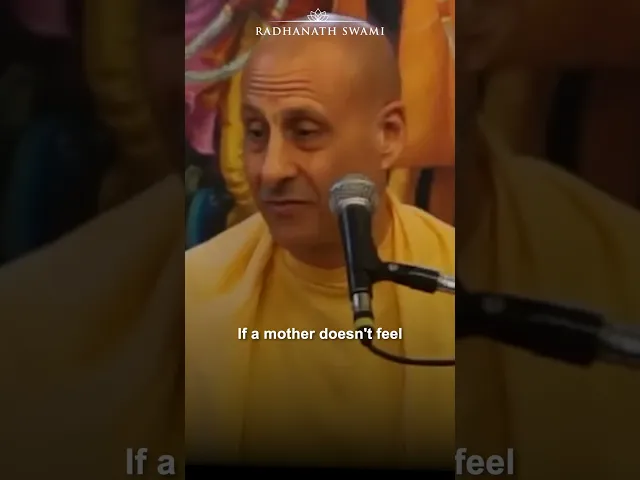
Watch this one-minute reflection by Radhanath Swami, where he reminds us that when we truly care about something, action naturally follows.